




Najbolj priljubljene igre


The best cooperative board games – We win (or lose) together!
If you’re not sure which game to choose, take a look at our selection of the best board games for different age groups, numbers of players and occasions.
What are cooperative board games and why are they so popular?
Co-operative board games represent a specific genre of board games in which all participating players act as a coordinated team. Unlike traditional competitive games, where only one individual wins, in cooperative games the opponent is the game itself. Players tackle the challenges presented by the game board, cards or dice together, and win or lose as a team.
This style of play creates a completely different dynamic around the table. It reduces competitive pressure and encourages open communication, strategic thinking and mutual support. That is why cooperative games are extremely popular amongst families with younger children, couples and groups looking for a relaxed and bonding gaming experience.
Who are cooperative games suitable for?
Co-operative board games cover a wide range of ages and levels of difficulty, making them suitable for various types of players:
Families with children: Through cooperative games, younger children learn to accept defeat, listen to their teammates and solve problems together without a sense of competition.
Beginners to the world of board games: As the whole group makes decisions together, new players learn the rules more quickly with the help of more experienced teammates.
Pairs and small groups: Many cooperative games work brilliantly with just two players, as the level of communication and tactical coordination required is easier to maintain in a smaller team.
Experienced players (gamers): Advanced co-operative games offer a high level of difficulty, complex mechanics and strategic challenges that require the team to be perfectly coordinated.
How to choose the right co-operative game?
When choosing a co-operative game from our range, it is advisable to consider a few key factors:
Difficulty and complexity: For younger children and beginners, choose games with simple rules and a short playing time (up to 30 minutes). For more experienced players, however, games with greater depth and longer playing times are more suitable.
Number of players: Most co-operative games adapt well to different numbers of players. If you often play on your own, check whether the game also offers an official solo mode.
Theme: Cooperative games cover a wide range of themes – from saving the world from epidemics, exploring enchanted islands and escape room games to fairy-tale adventures for children.
Replayability: Many cooperative games feature variable board layouts or different difficulty levels, ensuring that every subsequent game presents a different challenge.
The benefits of playing board games as a team
The main benefit of cooperative games is the development of soft skills. Players must actively listen to their teammates’ suggestions, justify their moves and make compromises for the good of the team. They also encourage critical thinking and risk analysis, as every wrong decision has consequences for the whole group.
If, as well as teamwork, you’re interested in more independent planning and competitive challenges, you might also want to check out our strategic board games or family board games for a wider range of options.
Frequently asked questions
What are cooperative board games?
Cooperative board games are games in which all players play together as a single team against the game mechanism itself. Rather than competing against one another, players join forces, plan their moves and win or lose together.
Who are collaborative gaming experiences aimed at?
They are ideal for families, children, couples and groups of friends who want to have fun without any competition or tension. They are also excellent for younger players, as they encourage communication and the sharing of ideas.
How many players are co-operative games suitable for?
Most cooperative games are designed for 2 to 5 players. Many of them also have adapted rules for solo play, allowing a single player to play.
How do you choose the right cooperative game for a family with children?
When choosing games for the family, bear in mind the stated age limit and the duration of the game. Choose games with simpler rules and shorter playing times, such as Oblakoplov or Plaža Plaža, where children find it easier to work towards a common goal.
Which are the most popular cooperative games for adults or experienced players?
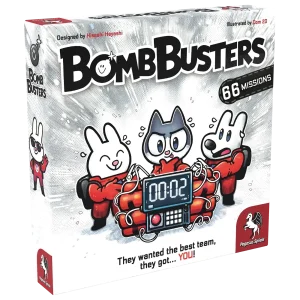
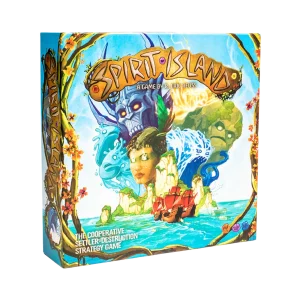
For more experienced players, popular games featuring deeper strategy and thematic complexity – such as *Spirit Island*, *Bomb Busters* or *Sky Team* – are favoured, as they require careful planning and coordinated teamwork.