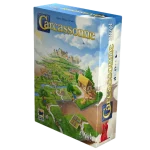

Have you ever watched in awe as a beautiful medieval landscape takes shape on the table from small cardboard tiles? Perhaps you’ve heard of Carcassonne, but the thought of complicated rules – or the question of whether your family and friends would even enjoy it – put you off playing it for the first time. If that sounds familiar, you’ve come to the right place! This legendary game is actually much simpler than it seems at first glance, and it holds a charm that captivates players of all ages, from complete beginners to seasoned strategists.
In this guide, we’ll take you step by step into the world of castles, roads and monasteries. You’ll discover why Carcassonne is one of the world’s most popular board games, learn all the rules in just a few minutes, and get to grips with the basic strategies that’ll have your fellow players impressed right from your very first game. Whether you’re looking for the perfect game for two, fun for the whole family, or wondering which expansion to start with – you’ll find all the answers here. Get ready – your medieval adventure is about to begin!
What is Carcassonne? More than just medieval walls
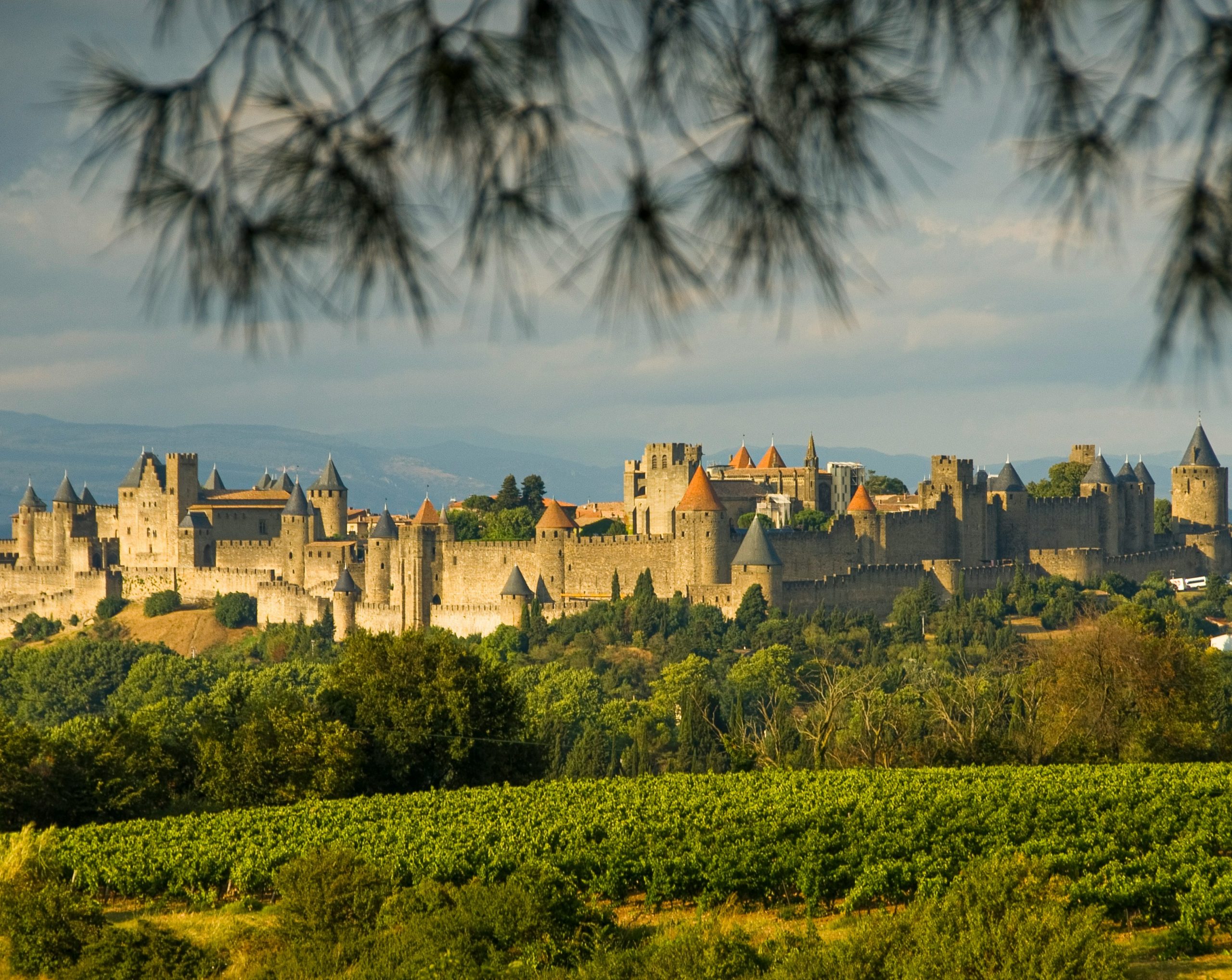
When you hear the name Carcassonne, you might first think of the beautiful fortified town in the south of France. But in the world of board game enthusiasts, this name is synonymous with one of the most popular and award-winning board games of all time. Forget your passport, because this Carcassonne takes you into a world of strategic tile-laying, where players work together – yet compete against one another – to build a medieval landscape full of towns, roads, monasteries and fields.
The basic principle is incredibly simple: on your turn, you draw a tile and place it on the table so that it matches the existing ones. You then decide whether to place your follower (affectionately known as a ‘meeple’) on the tile you’ve just placed, thereby claiming ownership of a town, road or monastery. The aim is to score as many points as possible by strategically placing your meeples and completing these structures. Since its first release in 2000, Carcassonne has become a global phenomenon and the ideal ‘gateway’ game – the perfect first step into the wonderful world of modern board games.
Game components: What’s in the box?
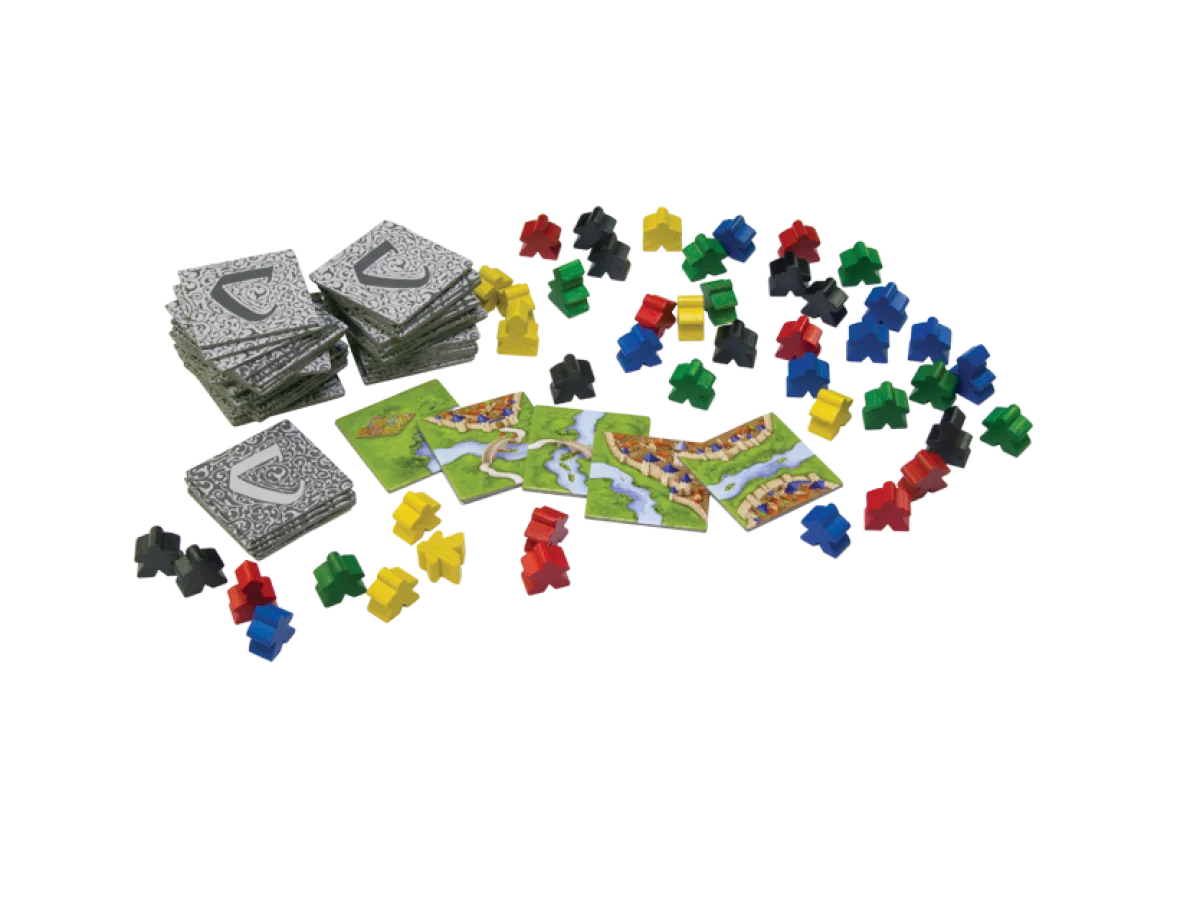
At the heart of the game are its simple yet iconic components, which you’ll find in every basic box. These building blocks allow you to create a unique world time and time again:
- Landscape tiles: Square cardboard tiles representing parts of towns, bends in the road, monasteries and meadows. These are your canvases for creation.
- Meeples: Small wooden figures in the players’ colours. They become your knights in towns, bandits on the roads, monks in monasteries and farmers in the fields.
- Scoring board: A simple board that helps you keep track of the score and encourages healthy competition right to the very end.
The charm of simplicity and depth
The greatest strength of Carcassonne lies in its perfect balance between simplicity and strategy. You’ll learn the rules in under ten minutes, meaning you can start having fun straight away. As the tiles are drawn at random, every game is completely different and a unique landscape is drawn on the table time and time again. Despite the simple rules, however, the game offers surprising tactical depth – decisions about when to claim a major city, when to block an opponent, or when to place a peasant on a scoring square at the end of the game are crucial to victory and present a challenge even for experienced strategists.
How do you play Carcassonne? Step-by-step rules for beginners
One of the greatest strengths of Carcassonne is its simplicity. Set-up takes just a minute: shuffle all the landscape tiles and place them in a pile face down, whilst each player receives their own meeples in their chosen colour. That’s it! You’re all set to build a medieval landscape.
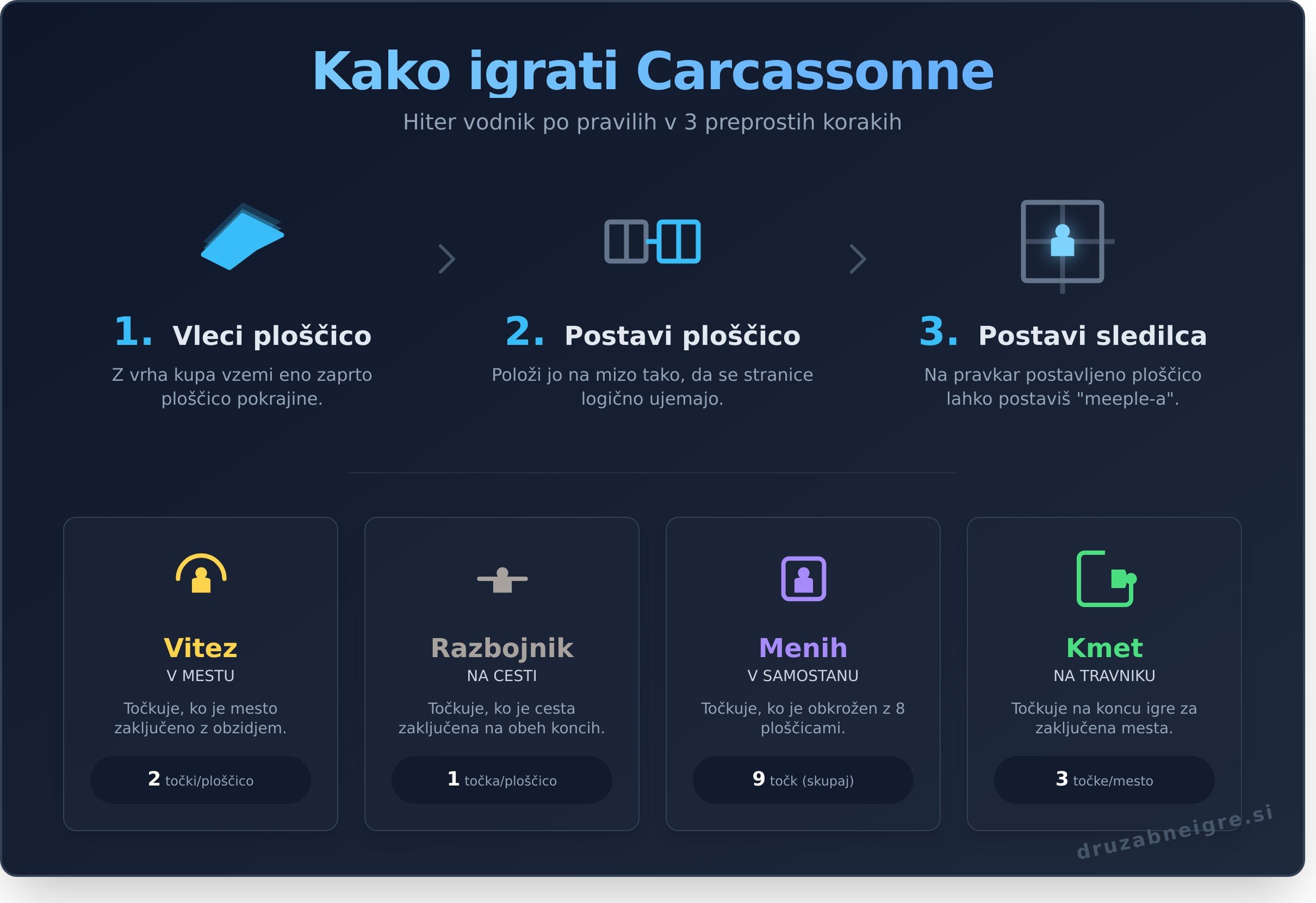
The gameplay is elegantly simple, and each turn consists of three steps:
- 1. Drawing a tile: Take one landscape tile from the top of the pile.
- 2. Placing the tile: You must attach the new tile to the existing landscape on the table.
- 3. Placing a follower: If you wish, you may place one of your followers on the tile you have just placed.
Placing a tile: Building the world
The key rule when placing tiles is that they must match up. The edge of a new tile must logically match the edges of all neighbouring tiles. This means that a road must connect to another road, a city wall to another city wall, and a meadow to another meadow. You cannot place a road so that it ends at a city wall, or a city that adjoins a meadow. By following this simple rule, together you build a unique landscape that is different every time.
Placing a Meeple: Claiming Territory
When you place a tile, you may choose to place one of your meeples on it, thereby claiming that part of the landscape. The meeple takes on a different role depending on where you place it:
- Knight: Placed in a town. Scores points when the town is surrounded by walls.
- Bandit: Placed on a road. Scores points when the road is completed at both ends.
- Monk: Placed in a monastery. Scores points when all eight surrounding tiles have been placed.
- Farmer: Placed on a meadow. Farmers remain in play until the end of the game and score points for completed towns on their meadow.
When the feature (town, road or monastery) on which your follower is standing is completed, you score points and immediately return the follower to your reserve for future use.
Scoring: The Path to Victory
Points are scored in two ways in Carcassonne. During the game, you earn points for every completed structure. For example, a completed town is worth 2 points per tile (and 2 points for each coat of arms), whilst a completed road is worth 1 point per tile. For a more detailed overview of scoring, you can consult the full rules of Carcassonne.
The game ends when the last tile has been placed. This is followed by the final scoring, where you also receive points for any unfinished structures (usually 1 point per tile) and, most importantly, for the farmers on the meadows. The player with the most points wins!
Basic strategies for your first win at Carcassonne
Carcassonne captivates with its simplicity, but to secure consistent victories you’ll need more than just luck when drawing tiles. The key to success lies in striking a balance between building your own territories and keeping a close eye on your fellow players. Don’t forget to manage your meeples wisely – if you use them up too quickly on unfinished projects, you’ll run out just when golden opportunities arise. It’s also important to be flexible and adapt your strategy on the fly to the tiles you’re dealt.
The art of blocking and cooperation
One of the most entertaining aspects of the game is interacting with other players. See an opponent building a huge city? Place a tile next to it that they’ll find hard to block – for example, a piece of road that cuts across their lawn. Sometimes, however, cooperation is the better option. If someone is almost finished building a large city, you can join them with your tile and follower, but only by merging another city under your control into theirs. It’s true that you’ll be sharing the points, but half of a large pile is often more than a whole small one. This way, you can even ‘steal’ points for a project into which you’ve put almost no effort.
Small towns versus large projects
Are you wondering whether it’s better to build a single, mighty stronghold or several smaller towns? Both have their advantages. Completing small towns (consisting of two tiles) quickly ensures a steady stream of points and, more importantly, a quick return of your followers. On the other hand, a single, massive city can yield a decisive number of points at the end of the game. The risk is, of course, greater, as you may never finish it. The best Carcassonne players know how to strike the right balance and make decisions based on how the game is unfolding.
Don’t underestimate the monasteries
Monasteries may seem insignificant at first glance, but they are an extremely reliable source of points. A fully enclosed monastery is worth a full 9 points. Try placing them in more open areas, where you’ll find it easier to locate suitable tiles for the surrounding spaces. They’re also an excellent way to fill gaps on the game board. Monasteries are one of the three basic ways of scoring defined by the original Carcassonne (game), and are often the key to victory. Don’t let your opponents get them!
Ready for the challenge? Check out Carcassonne in our range!
The World of Carcassonne: Which expansions and variants to choose?
The basic Carcassonne game offers hours and hours of fun, but once you’ve played countless games, you might feel the urge for something new. That’s where the expansions come in! When is the right time for your first one? When you know the base game inside out and are looking for new strategic challenges without having to learn a whole set of new rules.
Expansions breathe new life into the world of Carcassonne, introducing new mechanics and deepening the gaming experience. But which one should you choose to start with? Here are two of the most popular choices.
First choice: Inns & Cathedrals
This is almost always the recommended first expansion, as it elegantly enhances the base game without overcomplicating it. What does it offer?
- New tiles: Inns along roads double their value, whilst cathedrals in towns increase the value of each tile and shield to 3 points. But beware: if you haven’t completed a road with an inn or a city with a cathedral by the end of the game, they’re worth 0 points!
- Large Follower: This piece counts as two ordinary followers, making it easier for you to take control of towns, roads and meadows.
Taverns and cathedrals are the ideal first step into the wider world of the game, as they add just the right amount of risk and new tactical decisions.
Second Choice: Traders & Builders
If you’re looking for more interaction and new ways to score points, this expansion is an excellent choice. It introduces three key elements:
- Builder: Place him in a town or on a road where you already have one of your followers. Every time you continue this construction, you can play another turn!
- Piglet: Adds value to your farmers. Place it on a field where you already have a farmer, and at the end of the game it will earn you extra points for each town it supplies.
- Commodity tokens: Some new town tiles feature symbols for wine, grain or cloth. The player who completes such a town (even if it isn’t theirs!) receives the corresponding token. At the end of the game, the player with the most tokens of each type receives bonus points.
Third Choice: Dragon & Fairy
If you prefer games with a greater degree of unpredictability, direct teasing of fellow players and a touch of fantasy, this expansion is for you. It introduces a dynamic where no one can feel completely safe.
What does it offer?
- Dragon: When you draw a tile with a dragon symbol, a large wooden dragon figure begins to move across the landscape. It ‘devours’ (removes) all followers it encounters on its path, which can instantly ruin even the most carefully planned strategy of a fellow player.
- Fairy: This figure acts as a shield. If you place it next to one of your followers, the dragon cannot attack it, whilst also earning you extra points when you complete a building or a road.
- Magic Gate: These tiles allow you to place your follower on any already open tile on the entire board, rather than just the one you’ve just laid, but the same rule applies: the tile must not be occupied.
The Dragon and the Fairy transform Carcassonne from a peaceful game of landscape building into a more aggressive and unpredictable game, where twists and turns are possible right up to the very last move.
Carcassonne: Your ticket to a world of strategic fun
Now that you’ve learnt the basics of building towns, laying roads and farming in the picturesque French countryside, it’s crystal clear why the board game Carcassonne has become a timeless classic. Its secret lies in the perfect blend of simplicity and depth: you can learn the rules in five minutes, yet every new game brings a unique map and fresh tactical challenges. It’s a game that brings generations and friends together, offering just the right balance of light-hearted fun and strategic thinking. Whether you’re playing with your family or competing against friends, Carcassonne promises hours and hours of unforgettable moments.
Are you ready to put theory into practice? In our online shop, created with ❤️ for board game enthusiasts, you’ll find a wide selection of the best strategy games. Add Carcassonne to your collection and start building! We guarantee fast and reliable delivery throughout Slovenia, so your medieval adventure can begin as soon as possible.
Let the building begin, and may the best strategist place the winning tile!
Carcassonne: Frequently Asked Questions
Is Carcassonne a good game for two players?
Absolutely! Carcassonne is a fantastic game for two players. The game becomes much more tactical and strategic, as every move directly affects your opponent. There’s less chaos and more direct competition for control of towns, roads and, in particular, fields. If you’re looking for a tense head-to-head where every tile counts, playing with two players is an excellent choice. Many players even prefer it in this format, as it allows for deep strategic thinking.
How long does a game of Carcassonne last?
A single game of the base Carcassonne set usually lasts between 30 and 45 minutes. The duration naturally depends on the number of players and their experience – experienced players will make their moves more quickly. If you include expansions in the game, the playing time may be extended, as they add new tiles and mechanics. Nevertheless, the game remains dynamic and never drags on, which is great for a quick game after work or whilst socialising.
Is the game suitable for children, and from what age?
Of course, Carcassonne is one of the best entry points into the world of modern board games for children! The official recommended age is 7 years and over, which is very appropriate. The rules are simple – take a tile, place it, and decide whether to place your follower (‘Meeple’) on it. The game is visually appealing, as children help to build the map with every move. At the same time, it teaches them the basics of spatial thinking and planning in a fun way.
Which expansion should I buy first after the base game?
Excellent question! Most fans of the game agree that the first expansion you should get is Inns & Cathedrals. It doesn’t overcomplicate the game, but adds important new elements such as inns, which double the value of roads, and cathedrals, which increase the value of towns. It also includes pieces for a sixth player. If you’re looking for a bit more depth, Traders & Builders is an excellent second choice. For a bit more chaos and the chance to annoy your opponents, we recommend Dragon & Fairy.
What exactly are ‘Meeples’ and where does the name come from?
‘Meeples’ are iconic wooden figures in the shape of people, representing your subjects – knights, thieves, farmers or monks. You place them on tiles to score points. The name is actually a fun portmanteau that came about spontaneously. Whilst playing, Alison Hansel combined the English words ‘my’ and ‘people’ to form ‘Meeple’. The name stuck, and today it is the generally accepted term for such figures in the world of board games.
Can I mix and match different expansions?
Absolutely! This is one of the greatest charms of Carcassonne. Almost all the expansions are designed so that you can combine them in any way you like. This allows you to create a completely unique gaming experience tailored to your own tastes. Our tip: add them gradually. If you mix in too many expansions at once, the game can become too complicated and lengthy, especially for new players. Explore them one by one and discover your favourite combinations!