

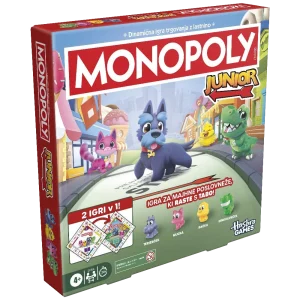
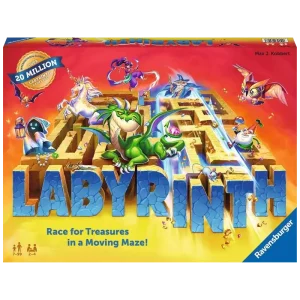
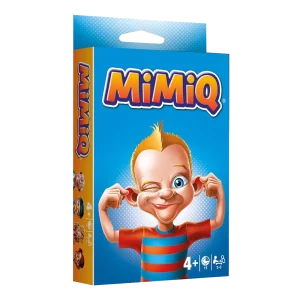
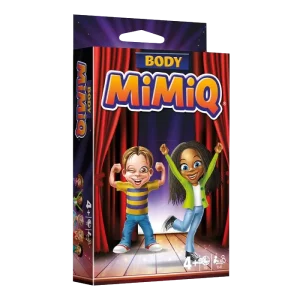
Most popular games


The Best Kids' Games – Fun That Builds Young Minds
Not sure which game to pick? Here is our selection of the best board games for different ages, player counts and occasions.
The World of Kids' Board Games: Fun and Learning in One Place
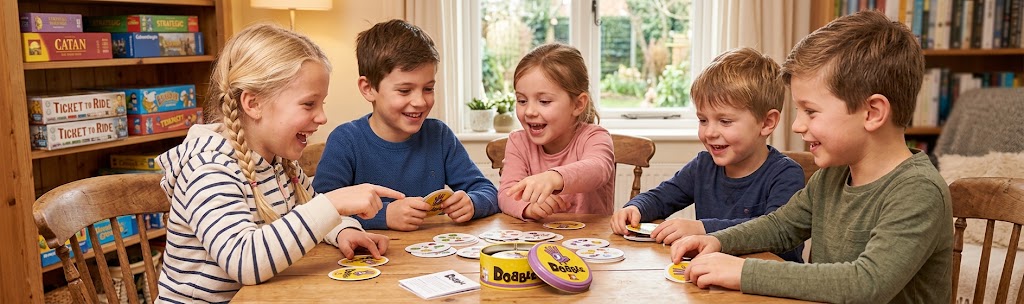
Kids' board games are more than a way to beat boredom. They are a valuable tool for a child's all-round development, for strengthening family bonds and for learning important life lessons through play. Unlike digital screens, board games offer a hands-on, interactive experience where children learn to observe, to be patient and to cooperate with others.
The kids' games category covers a wide range of titles, from first toys that stimulate the senses to more complex brain challenges for younger schoolchildren. The main goal of these games is to give a child a challenge suited to their stage of development, while the experience stays relaxed, playful and motivating.
How Do I Choose the Right Kids' Board Game?
When choosing a game for children, it is important to consider a few key factors, because a hasty choice of a game that is too hard or too simple can lead to boredom or frustration.
Age and Stage of Development
The age recommendation on the box is an excellent starting point.
Toddlers (2–3 years): At this age, game pieces made of natural materials (wood, thick cardboard) work best because they are safe and easy to grip. The rules should be minimal, and the game is often based on recognizing colors or shapes.
Preschoolers (4–5 years): Children in this group already understand taking turns and simple rules. Memory games, dice games and simple cooperative games are a great fit.
Young schoolchildren (6–8 years): Children are ready for games with more tactics, planning, simple math and quick reactions.
Type of Play: Cooperative or Competitive Games
For younger children or those just getting to know board games, cooperative games are highly recommended. In these games, all players work together against the game itself. Playing together takes away the pressure of losing alone and teaches the team to solve problems together. Competitive games, on the other hand, help children develop a healthy competitive spirit and learn to accept both winning and losing.
Playing Time
Children's attention spans are limited. When choosing a game, check the expected playing time: for younger children, a game should be short (up to 15 minutes), because only then will they stay focused from start to finish.
The Benefits of Playing Games Regularly
Playing board games regularly has a positive effect on several areas of a child's development:
Thinking skills: Stronger memory, recognizing patterns, early counting and strategic thinking.
Fine motor skills and coordination: Picking up pieces, rolling dice, placing cards precisely and putting parts together.
Social and emotional skills: Waiting for their turn, respecting other players, communicating and handling their feelings after a loss.
If you are looking for games that are just as fun for children as for adults and let the whole family play on equal terms, our family board games category has plenty to choose from.
Frequently asked questions
From what age are kids' board games suitable?
The first kids' board games are made for little ones from age 3 or 4. For the youngest, there are games with simple rules, large wooden or cardboard pieces and a focus on recognizing colors and shapes or on playing together as a team.
What is the difference between competitive and cooperative kids' games?
In competitive games, each player plays for themselves and tries to win, while in cooperative games all the children (or children and parents) play as one team against the game itself. Cooperative games are great for younger children because they encourage teamwork and prevent frustration over losing.
How do I choose the right board game for my child's age?
Always check the recommended age on the box, which takes into account how complex the rules are and how small the pieces are. For the youngest (2–4 years), choose short games with pictures and visual elements; for preschoolers (4–6 years), games for memory and fine motor skills; and for schoolchildren (6+ years), more challenging strategy or logic games.
What skills do children develop by playing board games?
Kids' board games build logical thinking, fine motor skills, concentration, spatial awareness and memory. Besides thinking skills, games teach children important social skills such as taking turns, accepting a loss, sharing and communicating.
How long does a kids' board game usually take?
Playing time is matched to how long a child can stay focused. For toddlers, games usually last 10 to 15 minutes, and for older preschoolers and elementary school children 20 to 45 minutes.