


Most popular games


The Best Cooperative Board Games – We Win (or Lose) Together!
Not sure which game to pick? Here is our selection of the best board games for different ages, player counts and occasions.
What are cooperative board games and why are they so popular?
Cooperative board games (often called co-op games) are a special genre of tabletop games in which all players work as one coordinated team. Unlike classic competitive games, where only one person wins, in cooperative games the opponent is the game itself. Players face the challenges brought by the board, cards or dice together, and win or lose as a whole.
This way of playing creates a completely different mood at the table. It takes away competitive pressure and encourages open communication, strategic thinking and helping each other. That is why cooperative games are hugely popular with families with young children, couples and groups looking for a relaxed play experience that brings people together.
Who are cooperative games for?
Cooperative board games cover a wide range of ages and difficulty levels, so they suit many kinds of players:
Families with children: Through cooperative games, younger children learn to accept losing, listen to their teammates and solve problems together without feeling they are competing.
Board game beginners: Because the whole group makes decisions together, new players learn the rules faster with help from more experienced teammates.
Couples and small groups: Many cooperative games work great with two players, since the communication and tactical coordination they require are easier to keep up in a small team.
Experienced players (gamers): Advanced cooperative games offer high difficulty, complex rules and strategic challenges that demand perfect coordination from the team.
How to choose the right cooperative game
When choosing a cooperative game from our range, it helps to consider a few key factors:
Difficulty and complexity: For younger children and beginners, choose games with simple rules and a short playing time (up to 30 minutes). For more experienced players, games with more depth and a longer playing time are a better fit.
Number of players: Most cooperative games adapt well to different player counts. If you often play alone, check whether the game also has an official solo mode.
Theme: Cooperative games cover a wide variety of themes – from saving the world from epidemics, exploring cursed islands and escaping from locked rooms (escape room games) to fairy-tale adventures for children.
Replay value: Many cooperative games have a board that is set up differently each time or several difficulty levels, so every new game is a different challenge.
The benefits of playing board games as a team
The main benefit of cooperative games is building soft skills. Players have to listen closely to their teammates' suggestions, explain the reasons for their moves and make compromises for the good of the team. They also encourage critical thinking and weighing up risks, since every wrong decision affects the whole group.
If, besides teamwork, you want more independent planning and competitive challenge, we also offer strategy board games and family board games for an even wider choice.
Frequently asked questions
What are cooperative board games?
Cooperative board games are games in which all players play together as one team against the game itself. Instead of competing with each other, players join forces, plan their moves and win or lose together.
Who are cooperative games for?
They suit families, children, couples and groups of friends who want to have fun without competing against each other or feeling tension. They are also great for younger players, since they encourage communication and sharing ideas.
How many players are cooperative games for?
Most cooperative games are made for 2 to 5 players. Many also have adjusted rules for playing alone (solo mode), so a single player can play too.
How do I choose the right cooperative game for a family with children?
When choosing for the family, pay attention to the stated minimum age and the playing time. Choose games with simpler rules and a shorter playing time, such as Oblakoplov or Plaža Plaža, where children can follow the shared goal more easily.
What are the most popular cooperative games for adults or experienced players?
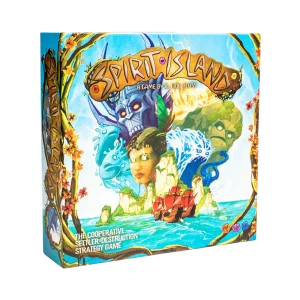
For more demanding players, popular choices are games with deeper strategy and a richer theme, such as Spirit Island, Bomb Busters or Sky Team, which call for careful planning and coordinated teamwork.