
Bluffing
You convince the other players that you have something you don't, or you hide what you are really planning. The advantage goes to whoever can read the others and keep a straight face.




How does bluffing work?
In bluffing games, players have hidden information: cards in their hand, dice under a cup or a secret plan. Since the others can't see what you have, you can use a claim, a bet or a move to paint a different picture from the real one. The other players have to decide whether to believe you or challenge you. If they catch you out, you usually lose something, but if your bluff works, you gain an advantage. In some games bluffing goes hand in hand with betting: you put in tokens or points, and then you can raise your bet to suggest a stronger position than you really have, or give up and lose only what you have already put in.
Who are bluffing games for?
Bluffing is a mechanic for groups that love tension, laughter and watching each other. The rules are usually simple, so even people who rarely play board games pick it up quickly. It is especially fun in a larger group, where every bluff gets everyone at the table guessing. You will do well if you can keep a straight face and read other people's expressions. Since the games are often short, you can play several in a row. Some can also be played with two, and then bluffing becomes a tactical duel.
Frequently asked questions
What does bluffing mean in a game?
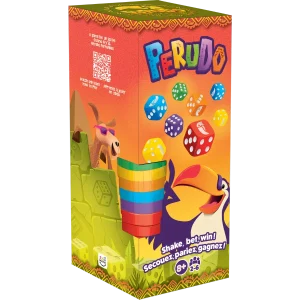
It means you can talk or play as if you have something you don't, and the other players decide whether they believe you. In Perudo you announce how many dice showing the same number are under all the players' cups, even though you can only see your own.
Which bluffing game is for a large group?
The Werewolves is played with eight to eighteen players: the villagers hunt for the werewolves, who hide among them.
Which bluffing games are suitable for children?
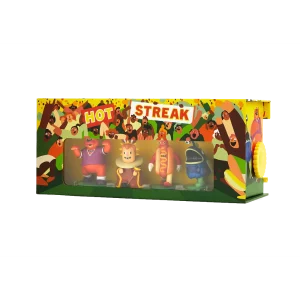
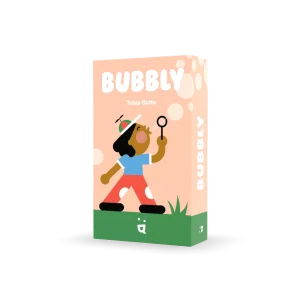
Bubbly and Hot Streak are suitable from age 6 and take 15 to 20 minutes.
Which bluffing game is for two players?
How is bluffing different from hidden roles?
In bluffing, you mislead others about your cards, dice or intentions, while with hidden roles you mislead them about who you are and whose side you are on.