

Tile Placement
You lay tiles side by side and build a landscape, a city, or a pattern as you go. A tile you have placed usually stays where it is, so think carefully about where to put it.
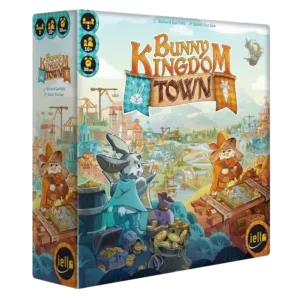

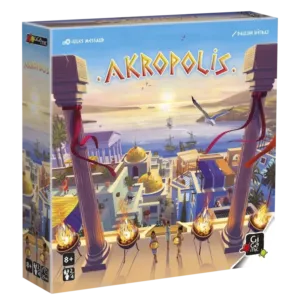
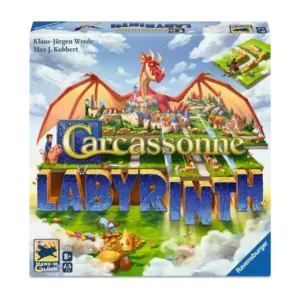
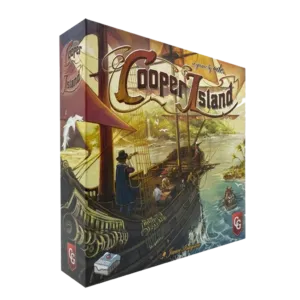
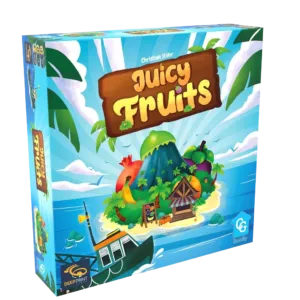
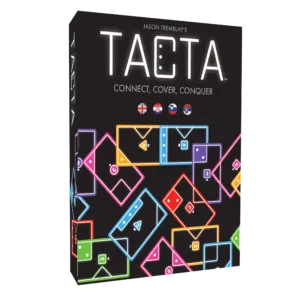
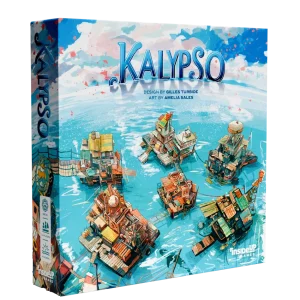
How does tile placement work?
In tile placement, you get a tile or a card on your turn and place it on the table or on your own board, usually next to the ones already there. Your main decision is where to put it. The new tile often has to match its neighbors, for example by color, terrain, or road. Points or special effects come from neighboring pieces, from the size of a group of matching tiles, or from completing a city, a road, or another part of the picture. Every tile you place also limits where the next ones can go, so you have to think a few moves ahead.
Who are tile placement games for?
Tile placement is easy to follow, because you can see your landscape, city, or pattern growing right in front of you. That is why children and casual players pick up the rules quickly too. In simple games, you just look for the spot where a tile fits. In strategy games, however, placing tiles lets you collect resources, build connections, or claim space that others need as well. You will enjoy these games if you like solving spatial puzzles and building something that looks beautiful at the end. You can play them with one other person or in a larger group.
Frequently asked questions
What does tile placement mean in a game?
It means that during the game you take tiles and place them next to ones already laid, on the table or on your own board. What matters most is how the new tile fits with its neighbors.
Is tile placement suitable for children?
Yes. Bandido and Bandida are suitable from age 6, and a game takes about 15 minutes. Carcassonne is for ages 7 and up.
Which tile placement game is for two players?
How much luck is involved in tile placement?
Some, since you don't know which tile you will get. What matters most, though, is where you place it.
How is tile placement different from pattern building?
Tile placement is about how you build, while pattern building is about what earns you points: colors or shapes arranged in the right way. The two often appear in the same game.