

Pattern Building
You arrange the pieces in front of you so that they form the right shape or color sequence, for example a row of tiles of the same color. You score points for the patterns that the rules or the game's tasks call for.

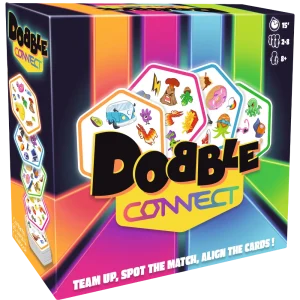
How does pattern building work?
In pattern building, you arrange game pieces such as tiles, cards or dice into specific shapes and color sequences. A pattern can be a row of one color, a group of matching symbols or a shape that a task asks for. When you complete a pattern, you score points and sometimes trigger an extra action as well. Every piece you place affects the next ones, so you have to think ahead about where each one will go. Placement rules are often strict, so a single wrong piece can spoil a whole pattern.
Who are pattern building games for?
Pattern building is a mechanic for puzzle lovers who enjoy seeing the pieces fit together nicely. The games are often calm, because everyone is mostly thinking about their own pattern. Other players usually get in your way only indirectly, when they take a piece you needed. The rules are often short, so families with children pick them up quickly too. More demanding games add several goals at once and make you weigh up which pattern pays off more. If you like planning and putting things together, you will enjoy these games, whether you play solo, with one other player or in a larger group.
Frequently asked questions
What does pattern building mean in a game?
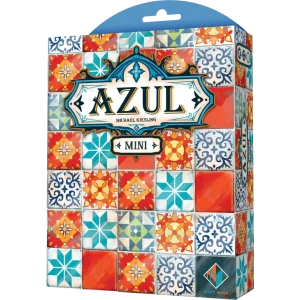
It means arranging pieces according to a set rule, for example in a row of one color or in a shape that a task asks for. In Azul you place tiles in rows on your own board.
Which pattern building games are suitable for children?
Cascadia Junior is suitable from age 6 and takes 15 to 30 minutes, while Lego Brick Like This is suitable from age 7.
Which pattern building games are for two players?
Targi is for two players only, and Flamecraft Duals is for one or two. Azul, Calico and Cascadia can also be played with two.
How much luck is involved in pattern building?
Little. You build the pattern yourself; luck only decides which pieces are available to you.
Does speed matter in pattern building?
In most games it doesn't, because everyone can think at their own pace. Speed counts in Ubongo, where you fit pieces into a shape against the clock, and in Fit to Print, where everyone builds a newspaper page at the same time.