
Pattern Recognition
On cards, tiles or a game board, you look for what is the same, different or hidden: a symbol, a color, a shape or a rule. Many of these games are short and lively, which is why families with children love them.



How does pattern recognition work?
In pattern recognition games, you carefully watch the cards, tiles or pieces on the table and look for a particular match. It can be the same symbol on two cards, the right number of identical pictures or a row of pieces that share a feature. Some patterns are known before the game starts, while others only appear during play as cards and pieces move around. The player who spots the pattern first or explains it correctly gets cards or points, and sometimes even wins. In more challenging games you don't see the pattern right away, but work it out from clues through logical reasoning.
Who are pattern recognition games for?
Pattern recognition is for anyone with a sharp eye who likes noticing details. The rules can usually be explained in a minute, so children can compete with adults as equal opponents. Many of these games are fast and loud, great for parties and larger groups. Others are calmer and more like puzzles, because you have time to think. Since the games are often short and have no text, they're easy to take on a trip or to play between two longer games.
Frequently asked questions
What does pattern recognition mean in a game?
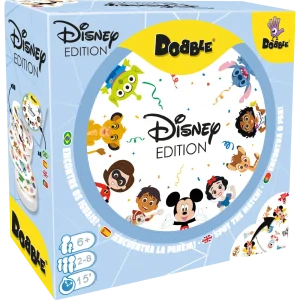
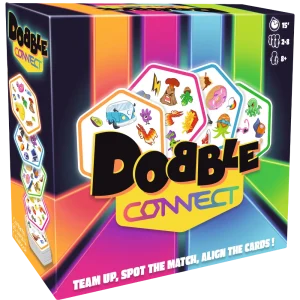
It means looking for a match, a difference or a rule on the cards. In Dobble, any two cards share exactly one symbol, and you have to be the first to spot it.
Are pattern recognition games suitable for young children?
Yes, some are suitable from age 4, for example Dobble Animals and Dobble Disney Princess.
How long does a pattern recognition game take?
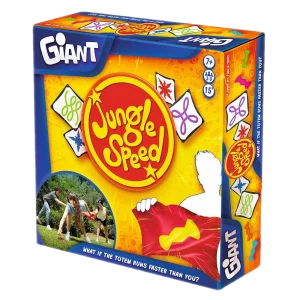
Most take about 15 minutes, and Jungle Speed – Eco Box about 10 minutes, so you can play them several times in a row.
How is pattern recognition different from speed matching?
Pattern recognition means noticing something, while speed matching means reacting faster than the others. Many games need both.
Is there a pattern recognition game without time pressure?
Yes. In Illusion you calmly sort cards by how much of a certain color is on them, and in Mysterium Park you work together to interpret the vision cards the ghost gives you.